
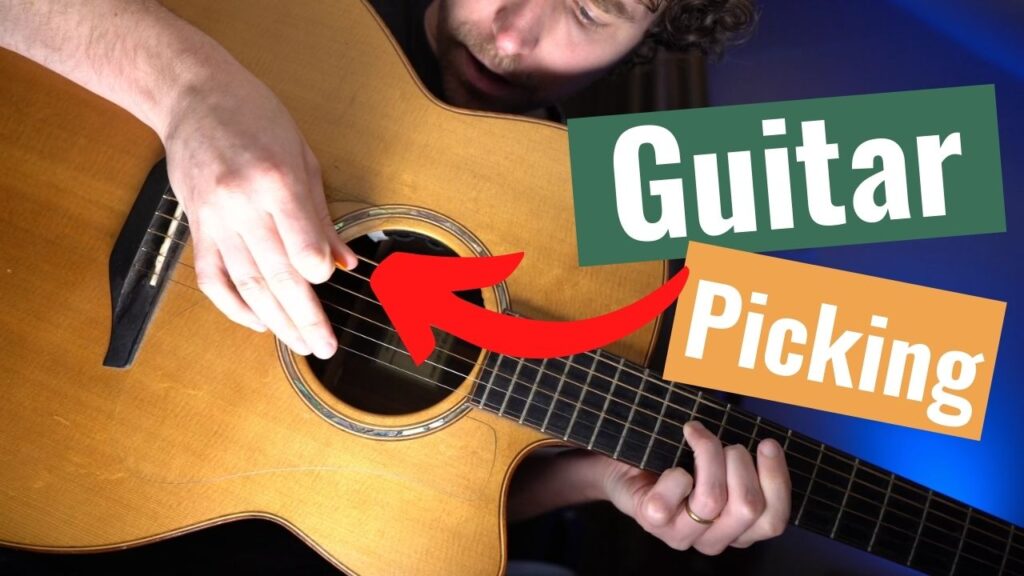
A steady reel pulse does not have to mean strumming every string. This DADGAD picking pattern keeps the same down-up movement but spreads it across four open strings, giving you a light, flowing accompaniment for Irish reels and songs.
In this lesson, I work through the right hand first. Then add the D, G and A shapes, bring out beats 1 and 3, and practise moving between strumming and picking without breaking the pulse.
The timestamps below open the matching section on YouTube in a new tab.
Before you start: tune to DADGAD
Tune the open strings to D A D G A D, from lowest to highest. For a step-by-step guide, see how to tune to DADGAD. Check each string against a tuner before you start. Keep the pick grip light and let the forearm, shoulder and neck stay relaxed.
1. Keep the reel pulse moving
Start with even down-up strokes
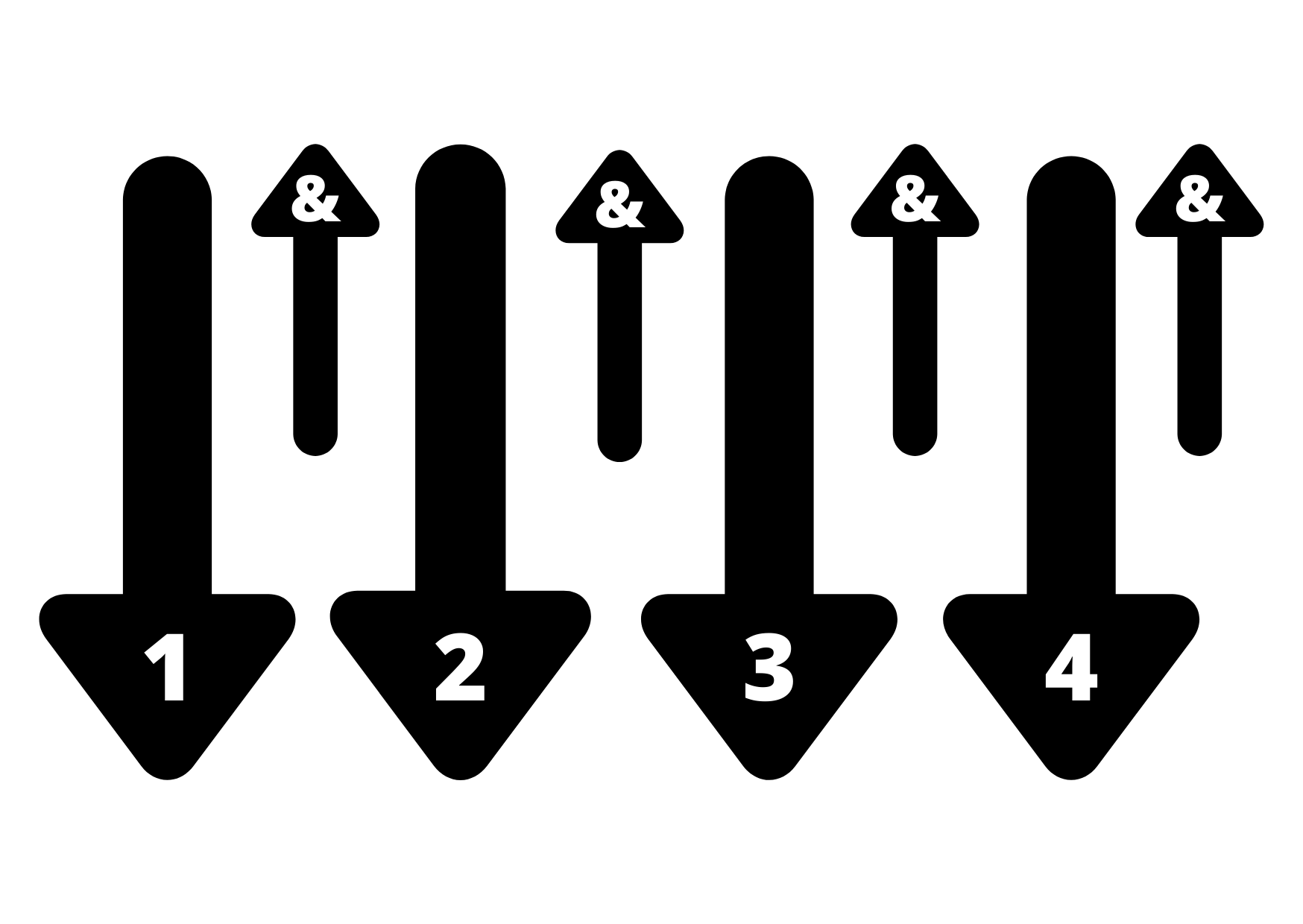
At 0:46, count 1 and 2 and 3 and 4 and. The numbered beats are downstrokes and every “and” is an upstroke. Strum first so that this movement feels automatic. The picking pattern uses the same motion, only on separate strings.
Use this exact string order
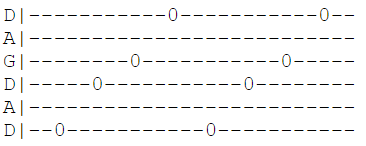
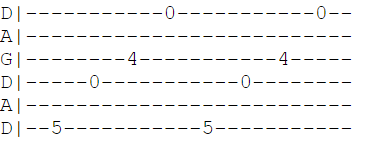
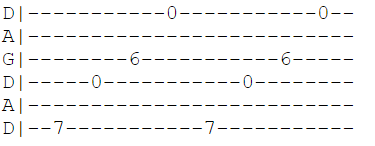
Begin the picking pattern at 1:09:
- Low D with a downstroke.
- Middle D with an upstroke.
- G with a downstroke.
- High D with an upstroke.
Repeat those four notes to fill the bar. All the upstrokes land on the “ands”, so the pick direction still follows the reel count.
2. Add the reel lift on D
Accent beats 1 and 3
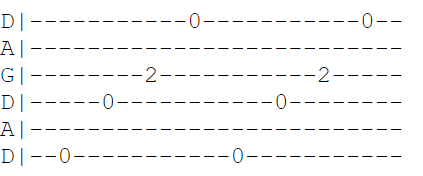
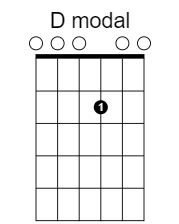
Place the first finger at the second fret of the G string for the D modal shape. From 2:10, give the notes on beats 1 and 3 a little more weight. It is a small push, not a hard jab. Keep the other notes even and let the accent give the pattern its bounce.
3. Move the pattern through D, G and A
Give each chord two bars
Once the right hand is settled, play two bars on D, two on G and two on A, then return to D. The chord exercise begins at 3:02.
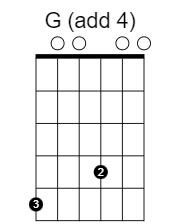
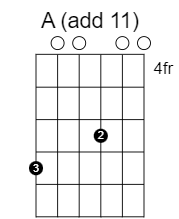
In the chord diagrams, numbers inside the dots are fingers, not frets. An O means an open string; the 4fr label on the A chart places the top of its grid at fret four. For G, fret the low D at five and the G string at four. Move those two fingers up two frets for A.
The lesson’s chart calls the G shape “Gadd4”, but the four picked notes form a plain G-major arpeggio. If you let its open A ring as part of the full shape, that extra note is more accurately described as an added ninth, so you may also see it called Gadd9. The A shape is Aadd11 because its open high D keeps sounding. While practising, it is fine to think simply in terms of D, G and A.
4. Add speed without adding tension
Find your clean tempo first
Use a metronome to find the speed where the notes are even and the accents are clear. Write that tempo down, then raise it a little at a time. If the forearm, shoulder or neck tightens, come back down.
At 5:04, I show how I tend to plant my little finger and hold the wrist steadier when the pattern gets faster. That is my own approach, not a rule. Use the hand position that lets you stay accurate and comfortable.
5. Practise the strum-to-picking change
Mute first, then add the chords
A useful accompaniment skill is moving from a full reel strum into picked notes, then back again without disturbing the beat. The transition exercise starts at 5:19.
Begin with the strings muted, as shown at 5:52. Play two bars of the ordinary down-up reel strum, then two bars of the picking pattern. Keep counting throughout. When the change is clean, add D modal, then bring in the G and Aadd11 shapes.
Put it into your playing
Keep the pattern as a rhythmic tool rather than filling every bar with it. A full strum can open a phrase, the picked pattern can lighten the next one, and the stronger notes on beats 1 and 3 can keep the reel grounded. Change only one thing at a time: first the string order, then the accent, then the chords, then the speed.
For the DADGAD chord shapes and tuning notes in one place, download my free DADGAD Cheat Sheet.